

Innovation has always driven progress, shaping industries, communities, and daily lives. Whether it’s advanced materials leading to lightweight, durable designs or revolutionary ideas powered by technology, new inventions push the boundaries of what’s possible. If you’re an aspiring inventor or entrepreneur, creating a new invention can seem daunting but thrilling.
This guide will walk you through actionable steps—understanding needs, brainstorming, prototyping, and more—to transform your new idea into a tangible, impactful solution.
Understanding the Problem – Identifying Needs and Gaps
Every great invention begins with understanding a problem. Before you dream up revolutionary ideas, look closely at the world around you. What challenges do individuals or businesses face? What advanced materials or technology could simplify life or improve processes?
Analyze Pain Points
Talk to potential users, whether they’re companies needing services or consumers navigating challenges. Their daily frustrations can become the seeds of your new invention.
For example, during World War II, the invention of duct tape came from observing soldiers’ need for durable yet flexible material. This innovative solution arose from a simple gap—improving efficiency in sealing ammunition.
Explore Emerging Trends
Stay informed about industries advancing with machine learning, automation, or sustainable materials. Breakthroughs in technology often illuminating new opportunities to innovate. Review related patents for insight into what has been created and identify untapped areas.

Brainstorming Techniques – Generating Revolutionary Ideas
Once pinpointing the problem, the next step is brainstorming potential solutions. Use varied techniques to unlock your creativity and generate a wealth of ideas.
Use Structured Methods
- Mind Mapping: Write your main problem in the center of a page, branch out into potential solutions, and sub-branch to more minor aspects or related ideas.
- Reverse Thinking: Instead of solving the problem, think about how to make it worse. This unconventional approach often yields surprising insights into potential connections.
Collaborate with Diverse Perspectives
Invite people from different fields—engineers, marketers, designers, and end-users—to brainstorming sessions. Diverse perspectives often lead to revolutionary ideas by viewing the problem in ways you may have missed.
For instance, human-centered designs, like ergonomic keyboards, grew out of interdisciplinary input that combined technical and user-focused thinking.
Prototyping and Testing – Bringing Ideas to Life
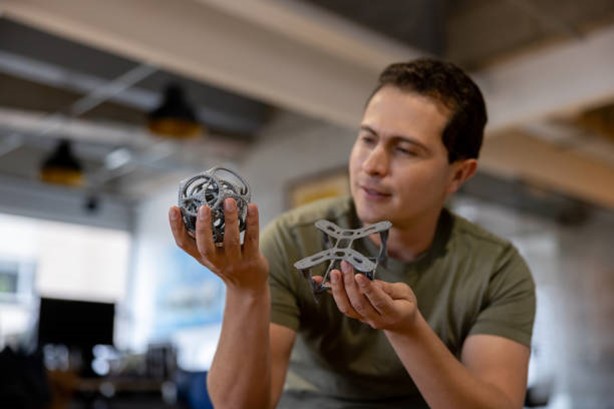
A new invention remains theoretical until you bring it to life. Prototyping is the bridge between ideas and reality. It allows you to test your invention’s feasibility, refine your design, and examine its quality.
Start Small
Your first prototype doesn’t need to be perfect. Leverage inexpensive tools or materials to create a working version of your invention. This might mean building a basic algorithm mock-up that demonstrates core functionality for machine learning-related projects.
Gather Feedback Early
Get your prototype into the hands of users or stakeholders. Testing it in real-world contexts will reveal valuable insights about improving design, function, or usability. Iterative testing saves you time and ensures the final product meets market expectations.
Advanced Materials for Enhanced Prototypes
If your invention relies on durable or lightweight solutions, explore advanced materials. Technologies like carbon fiber composites or self-healing plastics provide exciting possibilities for enhanced performance.

Protecting Your Invention – Patents and Intellectual Property
Once your prototype starts taking shape, protecting your new idea is crucial. Intellectual property protection helps ensure your invention remains uniquely yours and provides legal recourse against potential infringement.
Secure a Patent
A patent grants you exclusive rights to your invention. First identify which patent category applies to your creation—utility (process or function) or design (visual appearance). The patent application process can be lengthy and requires thorough documentation, including technical specs and diagrams.
Consult a patent attorney or use services like the USPTO website’s patent tools to streamline the process.
Consider Trademarks or Copyrights
Beyond patents, trademark your invention’s branding elements, such as logos or slogans. Additionally, software-based inventions often benefit from copyright protection that safeguards unique coding.

Marketing and Launching Your Invention
You’ve tested and protected your invention. Now, it’s time for the world to see it! Successfully marketing and launching your product is critical to its value.
Define Your Unique Selling Proposition (USP)
What makes your invention stand out? Is it the technology it employs, its ability to save time or its unbeatable quality? Tailor your marketing messages to highlight these strengths and ensure they resonate with your audience.
Create a Launch Strategy
- Digital Presence: Build a website or landing page showcasing what your product solves, the story behind it, and how customers can purchase it. Leverage SEO to include keywords like “new invention,” “technology,” and “services.”
- Social Media Campaigns: Use platforms to share sneak peeks, testimonials, and behind-the-scenes content. Crowdfunding campaigns like Kickstarter work well for inventions that appeal directly to consumers.
- Collaborations: Partner with influencers or organizations that align with your invention’s purpose. Their endorsement can amplify your product’s reach.
Post-Launch Feedback
Continue monitoring how users respond to your invention post-launch. Their feedback can guide future improvements or even inspire the next iteration of your idea!
The Inventor’s Journey – Turning Ideas into Impact
Creating a new invention is a challenging but fulfilling process. From identifying problems to delivering solutions that truly resonate, the impact of innovation can ripple far beyond what you’d imagined.
For entrepreneurs, inventors, and design thinkers, ideas have the power to transform industries and enhance lives. Whether using innovative materials for more ingenious designs or employing machine learning for intelligent automation, every new idea can be a game-changer.
Are you ready to turn your revolutionary ideas into reality? Start today—track industry trends, test your creativity, and trust in your vision. Who knows? Your next invention could very well make history.
Looking to Patent an Invention?
Please contact Arlen Olsen at Schmeiser, Olsen & Watts LLP at aolsen@iplawusa.com.
About the Author

Mr. Olsen, a former adjunct professor of intellectual property law, has over 25 years of experience in all aspects of intellectual property law. Mr. Olsen is a founding Partner of Schmeiser, Olsen & Watts LLP and a former United States Patent Examiner. Mr. Olsen has prosecuted numerous patents that have been litigated and received damages of over 60 million dollars. Additional activities include teaching seminars, appearing as a guest lecturer on intellectual property matters for corporations and educational institutions, and evaluating and consulting with clients regarding the scope, enforcement, and protection of intellectual property rights.